
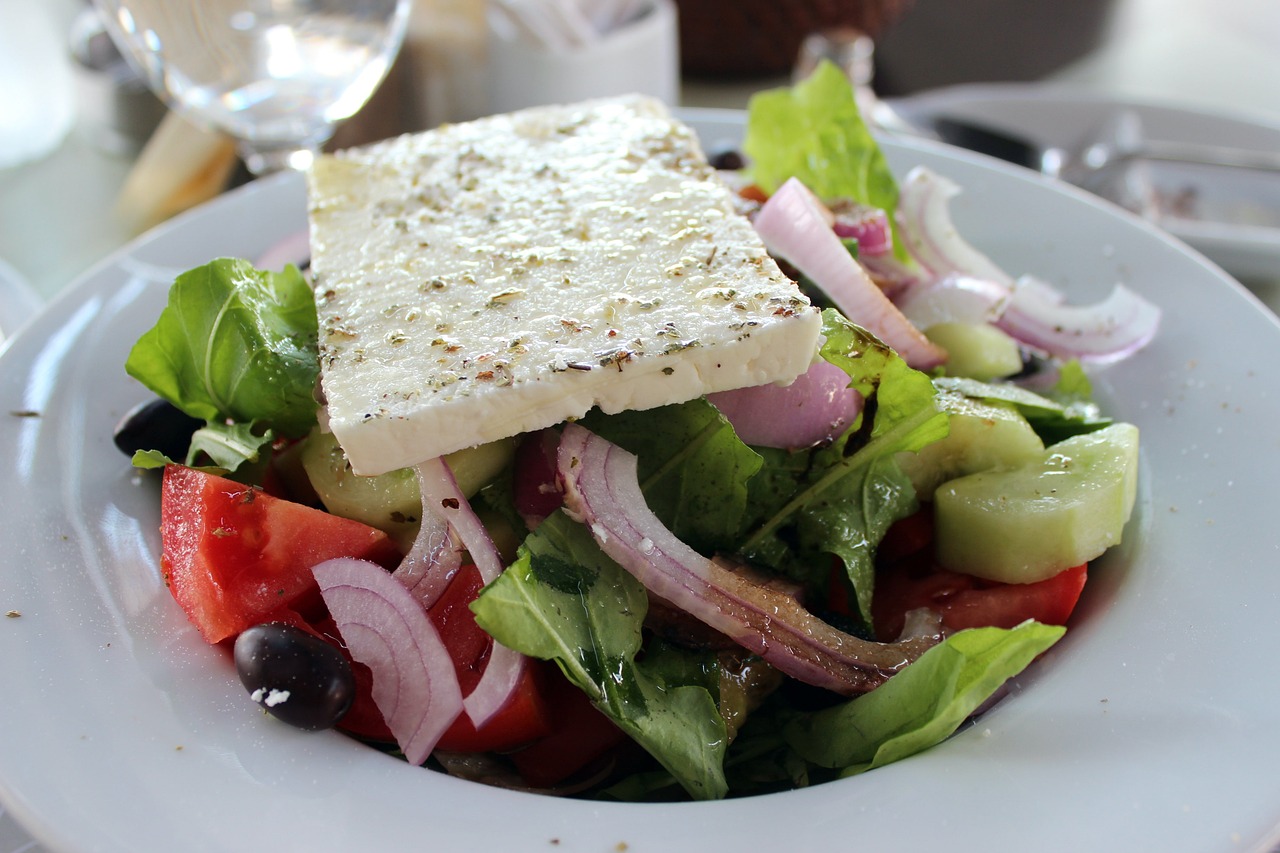
The Timeless Charm of Feta Cheese: A Taste of the Mediterranean
Few foods capture the essence of the Mediterranean as beautifully as feta cheese. Tangy, crumbly, and brimming with character, feta has been a beloved staple for centuries. Whether sprinkled over salads, baked into savory pastries, or enjoyed simply with olive oil and herbs, feta cheese offers a flavor experience that’s both comforting and complex.
A Brief History of a Greek Classic
This traditional cheese’s roots run deep in Greek history. The name “feta” (φέτα) translates to “slice,” a reference to the way it’s cut during production and storage. Historical records suggest it has been made in Greece for over 8,000 years, with mentions even in Homer’s Odyssey. Shepherds originally crafted it using sheep’s milk or a mix of sheep’s and goat’s milk, storing it in brine to preserve it through hot Mediterranean summers.
In 2002, the European Union granted Protected Designation of Origin (PDO) status to Greek producers. This means only cheese made in specific regions of Greece, following traditional methods and using local milk, can officially bear the name. Versions made elsewhere—often labeled “white cheese”—may look similar but rarely match the distinctive tang and heritage of the original.
Check out also our blog about Gruyere Cheese.
From Milk to Masterpiece
Authentic Greek cheese of this type begins with fresh, unpasteurized sheep’s milk, sometimes blended with a small proportion of goat’s milk. The milk is warmed and combined with rennet to form curds, which are drained, cut, and packed into molds. After pressing, the curds are salted and aged in brine for at least two months.
This brining process gives the cheese its signature salty flavor and crumbly-yet-creamy texture. The longer it matures, the sharper and more pronounced the taste becomes. Aged varieties often develop a peppery note that pairs beautifully with sweet or acidic ingredients.
Flavor and Texture
This traditional Greek delight is a study in contrasts—salty yet creamy, crumbly yet rich. High-quality versions melt slightly on the tongue, releasing a tangy, almost citrusy brightness. Texture can vary from soft and moist to firm and dry, depending on its age and milk composition.
Sheep’s milk varieties are typically richer and more buttery, while those with more goat’s milk taste lighter and tangier. The brine not only deepens the flavor but also acts as a natural preservative, a necessity in the ancient Mediterranean climate.
Learn also more about the flavor of Boursin Cheese.
Is Feta Cheese Healthy?
Yes—this cheese can be a nutritious addition to a balanced diet, especially when eaten in moderation. It’s lower in fat and calories than many other cheeses while delivering an excellent source of calcium, phosphorus, and protein, all essential for bone strength and muscle function. It also contains probiotics, which promote a healthy gut microbiome.
Another advantage is the presence of conjugated linoleic acid (CLA), a beneficial fatty acid linked to heart health and reduced body fat. Because it’s made from sheep’s and goat’s milk, it may also be easier to digest than cheeses made from cow’s milk. However, due to its brine-based preservation, it’s relatively high in sodium—so enjoy it alongside fresh vegetables, whole grains, or fruits for balance.
Feta Cheese and Pregnancy: Is It Safe?
Expectant mothers can safely enjoy this cheese—as long as it’s made from pasteurized milk. Unpasteurized or raw-milk versions can contain Listeria monocytogenes, a bacterium that may pose risks during pregnancy. Thankfully, most store-bought varieties in Europe, North America, and Australia are pasteurized and safe to eat when properly stored.
When purchasing, check labels for the word pasteurized and avoid soft, homemade, or imported types that don’t specify their milk source. To be extra cautious, you can heat it until steaming hot before adding it to dishes—this eliminates any lingering bacteria. Consumed safely, it provides calcium, protein, and other nutrients beneficial for both mother and baby.
Culinary Versatility
While it’s most famously associated with the Greek salad, this cheese adds flavor and texture to a wide variety of dishes:
- Baked appetizers like spanakopita (spinach pie) or tiropita (cheese pie)
- Roasted vegetables, offering a creamy contrast to peppers, zucchini, or eggplant
- Pasta and grain bowls, such as orzo, quinoa, or couscous salads
- Sweet pairings with watermelon, figs, or honey for a delightful mix of salty and sweet
A Slice of Tradition
More than just a food, feta cheese is a piece of Greek culture. Every bite reflects centuries of craftsmanship and the sun-drenched landscapes where shepherds once roamed with their flocks. Today, it continues to bring that same spirit of simplicity and flavor to tables around the world.
Whether crumbled over salads, baked into pastries, or savored plain with a drizzle of olive oil, this ancient cheese proves that traditional foods often deliver the most unforgettable experiences.