
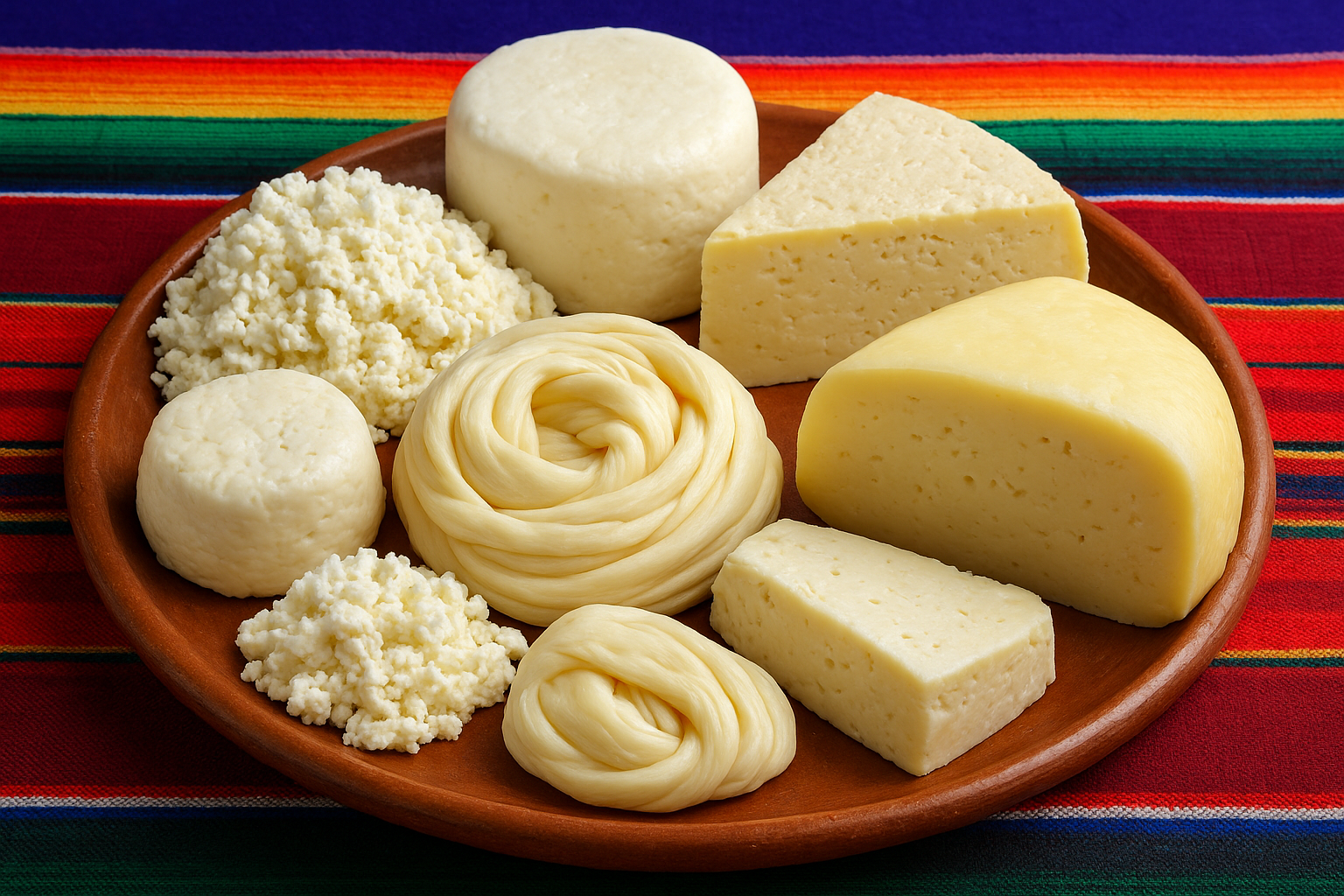
The Rich and Flavorful World of Mexican Cheese
When people think of Mexican cuisine, they often picture tacos, tamales, and enchiladas bursting with spice and flavor. But behind many of these beloved dishes lies a quiet star: Mexican cheese. From crumbly cotija sprinkled on elotes to the gooey stretch of Oaxaca cheese in a quesadilla, Mexico’s cheese tradition is as rich and diverse as its culture.
A Brief History of Mexican Cheese
Cheese was not originally part of Mexico’s indigenous cuisine. Before Spanish colonization, dairy animals like cows and goats didn’t exist in the Americas. When the Spanish arrived in the 16th century, they brought these animals—and with them, cheesemaking techniques from Europe. Over time, local people adapted these methods, combining European know-how with Mexican ingredients and conditions. The result was something unique: a family of cheeses that are now an integral part of Mexican identity.
Today, nearly every region of Mexico has its own cheese variety, each reflecting local climate, traditions, and tastes. These cheeses range from soft and fresh to firm and aged, and many play specific roles in traditional dishes.
Check out also our blog for Grilling Cheese.
The Big Names: Famous Mexican Cheeses
Queso Fresco
Perhaps the most ubiquitous cheese in Mexican kitchens, queso fresco means “fresh cheese.” It’s made from cow’s milk, sometimes blended with goat’s milk, and has a mild, slightly tangy flavor. Crumbly and moist, it’s often sprinkled over tacos, refried beans, or enchiladas. Because it doesn’t melt well, it’s more of a finishing cheese—adding brightness and contrast to spicy or rich foods.
Cotija
Named after the town of Cotija in Michoacán, this hard, aged cheese is often called the “Parmesan of Mexico.” It’s salty, crumbly, and sharp, making it perfect for sprinkling on top of grilled corn (elote), soups, or salads. As it ages, cotija becomes firmer and develops a robust, umami-packed flavor that elevates even the simplest dishes.
Oaxaca
If you love mozzarella, you’ll adore Oaxaca cheese. Known for its beautiful stringy texture, it’s made by stretching curds into ribbons and winding them into a ball. Mild and buttery, it melts like a dream—making it the go-to choice for quesadillas, empanadas, and chiles rellenos. It’s essentially the Mexican cousin of mozzarella, but with a flavor that’s uniquely its own.
Queso Chihuahua (Menonita)
Produced primarily in the northern state of Chihuahua, this semi-soft cheese is named after the Mennonite communities that perfected its production. It melts beautifully, similar to cheddar or Monterey Jack, and is a favorite for baking, nachos, and cheese dips. Its creamy flavor makes it incredibly versatile, equally at home in Mexican and international dishes.
Panela
Sometimes called “queso de canasta” or “basket cheese,” panela is a mild, fresh cheese that holds its shape even when heated. It can be grilled, fried, or cubed into salads without melting away. Its light flavor makes it perfect for pairing with salsas, fresh herbs, and fruit.
Dipping, Melting, and Crumbling: The Many Faces of Mexican Cheese
Mexican cheeses are often grouped by how they behave in the kitchen—whether they melt, dip, or crumble—each bringing a different texture and experience to the table.
Mexican Dipping Cheese
When it comes to dipping, queso fundido is the star. It’s typically made from Chihuahua or Oaxaca cheese, melted until smooth and bubbly, often mixed with chorizo or roasted peppers. Served hot with tortillas or chips, it’s the Mexican answer to fondue. These cheeses melt evenly, creating a silky texture perfect for scooping and stretching.
Mexican Melting Cheese
For that irresistible gooey pull, Oaxaca, Asadero, and Chihuahua cheeses are top choices. They melt into creamy perfection without becoming greasy, making them ideal for quesadillas, enchiladas, and chiles rellenos. Their mild flavor complements spicy or tangy ingredients without overpowering them. If you’ve ever taken a bite of a quesadilla and watched the cheese stretch, you’ve tasted the magic of Mexican melting cheese.
Mexican Crumble Cheese
On the other side of the texture spectrum are queso fresco and cotija, Mexico’s beloved crumbly cheeses. These don’t melt—instead, they add a salty, tangy contrast to rich or spicy dishes. Sprinkled over tacos, beans, elotes, or salads, they provide freshness, texture, and balance. Cotija, especially when aged, brings a nutty sharpness that rivals aged Parmesan.
Find out also more about Burrata Cheese.
How It Is Used
It isn’t just about taste—it’s about texture, temperature, and balance. In Mexico, cheese rarely overwhelms a dish; instead, it complements other ingredients. A sprinkle of cotija cuts through the heat of chili. A layer of Oaxaca adds creamy comfort to a tortilla. Panela gives body to a salad without heaviness.
Cheese also plays a ceremonial and social role. In rural towns, cheesemaking is still an artisanal craft passed down through generations. Many small producers sell their cheeses at local markets, wrapped in banana leaves or fresh cloth, keeping centuries-old traditions alive.
Bringing Mexican Cheese to Your Kitchen
These delicious cheeses are now available around the world, so you can easily incorporate them into your cooking. Try topping your next salad with queso fresco, or add Oaxaca to your grilled sandwiches. Even traditional European-style recipes can benefit from these flavorful Mexican touches.
Final Thoughts
Mexican cheese tells a story of cultural blending, regional pride, and culinary creativity. It’s a reminder that great food often comes from adaptation—of taking old techniques and infusing them with new spirit. Whether you’re sprinkling cotija on corn or melting Oaxaca into a quesadilla, you’re enjoying centuries of tradition in every bite.