
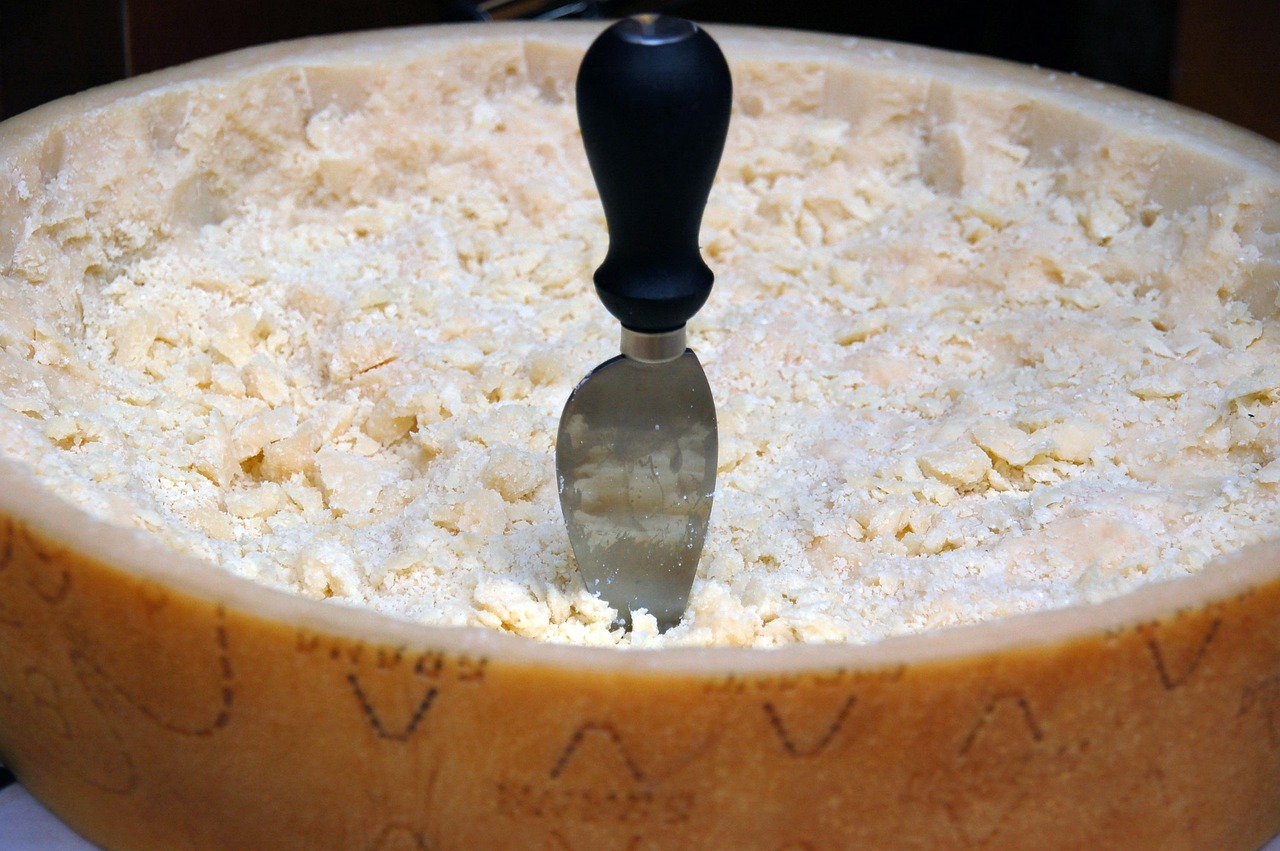
The Ultimate Guide to Parmigiano Reggiano: Taste, Quality, and How to Choose the Best
When it comes to premium Italian cheeses, few names carry as much prestige as Parmigiano Reggiano. Often referred to as the “King of Cheeses,” this iconic product is celebrated worldwide for its rich flavor, granular texture, and centuries-old craftsmanship. But what makes it so special—and how can you choose the best one?
In this guide, you’ll learn everything you need to know about Parmigiano Reggiano, from how it’s made to how to use it in your kitchen.
What Is Parmigiano Reggiano?
Parmigiano Reggiano is a hard, aged cheese produced in specific regions of northern Italy, including Parma, Reggio Emilia, Modena, and parts of Bologna and Mantua. It holds a PDO (Protected Designation of Origin) status, meaning it must follow strict production standards.
Unlike generic “parmesan cheese,” authentic Parmigiano Reggiano is:
- Made from raw cow’s milk
- Aged for a minimum of 12 months
- Produced without additives or preservatives
This dedication to tradition results in a cheese with unmatched depth of flavor.
Parmigiano Reggiano vs Parmesan: What’s the Difference?
One of the most common questions is the difference between Parmigiano Reggiano and parmesan cheese.
- Parmigiano Reggiano → Authentic, Italian, PDO-certified
- Parmesan → A broader term, often used for similar cheeses made outside Italy
While parmesan can still be tasty, it typically lacks the complexity and strict quality standards of Parmigiano Reggiano. If you’re aiming for true Italian flavor, the authentic version is worth the investment.
How Parmigiano Reggiano Is Made
The production process has remained largely unchanged for over 900 years. Here’s a simplified breakdown:
- Milk Collection – Fresh milk from local cows is collected daily
- Curd Formation – Natural whey and rennet are added
- Cooking & Shaping – The curd is heated and formed into wheels
- Salting – Wheels are soaked in brine
- Aging – Cheese is aged for 12–36+ months
During aging, the cheese develops its signature nutty, umami-rich flavor and slightly crunchy texture due to tyrosine crystals.
Understanding Aging: Why It Matters
A key factor in quality is aging time. Here’s what to expect:
- 12 months → Mild, milky, slightly elastic
- 24 months → Balanced, nutty, more complex
- 36+ months → Intense, crumbly, deeply savory
For most recipes, 24-month aged Parmigiano Reggiano offers the perfect balance of flavor and texture.
Health Benefits of Parmigiano Reggiano
Beyond its taste, Parmigiano Reggiano is also nutritionally impressive:
- High in protein
- Rich in calcium and phosphorus
- Naturally lactose-free (due to aging process)
- Contains essential amino acids
This makes it a great addition to a balanced diet, especially for those who are lactose-sensitive. If you’re exploring other cheese options, you might also enjoy learning about the benefits of Goat Cheese or comparing it with varieties like Gouda Cheese.
How to Use Parmigiano Reggiano in Cooking
This cheese is incredibly versatile and enhances a wide range of dishes:
🍝 Pasta & Risotto
Grate it over pasta, risotto, or gnocchi for a rich, savory finish.
🥗 Salads
Shave thin slices over salads for added texture and flavor.
🥘 Soups
Drop a rind into soups or broths to infuse deep umami notes.
🧀 Cheese Boards
Serve it in chunks with honey, nuts, and fruit for a gourmet experience.
How to Choose Authentic Parmigiano Reggiano
When buying, look for these signs of authenticity:
- Stamped rind with “Parmigiano Reggiano” markings
- PDO seal or certification label
- Sold in irregular chunks, not perfectly uniform blocks
- A natural, slightly crumbly texture
Avoid pre-grated versions when possible—they often lose aroma and may include additives.
How to Store Parmigiano Reggiano Properly
To maintain freshness and flavor:
- Wrap in wax paper or parchment, then foil
- Store in the refrigerator (not airtight plastic)
- Keep away from strong-smelling foods
Proper storage can extend its life for several weeks.
Why Parmigiano Reggiano Is Worth the Price
Many people wonder: Why is Parmigiano Reggiano so expensive?
The answer lies in:
- Long aging process (up to 3 years or more)
- Strict production regulations
- High-quality raw ingredients
- Labor-intensive craftsmanship
You’re not just buying cheese—you’re investing in tradition, quality, and flavor.
Final Thoughts
Whether you’re cooking pasta, building a cheese board, or simply enjoying a small bite on its own, Parmigiano Reggiano delivers an unmatched culinary experience. Its rich heritage, strict quality standards, and incredible versatility make it a must-have in any kitchen.
If you’re serious about flavor, choosing authentic Parmigiano Reggiano over generic parmesan is one of the simplest ways to elevate your cooking.