
The Creamy Elegance of Brie Cheese: A Taste of French Tradition
Few cheeses capture the essence of French culinary artistry quite like Brie. With its delicate bloomy rind, luscious interior, and mild yet complex flavor, Brie cheese has become a global symbol of sophistication and comfort. Whether spread on a crusty baguette, paired with fresh fruit, or baked to gooey perfection, Brie holds a unique place on cheese boards and in hearts around the world.
A Brief History of Brie
Brie originated in the Île-de-France region, just outside Paris, and takes its name from the area itself. Often called “The Queen of Cheeses,” Brie dates back to at least the 8th century. Legend has it that Emperor Charlemagne first tasted it in 774 and immediately declared it one of his favorite foods. By the 19th century, it had become an essential part of French cuisine and a symbol of national pride.
Today, two traditional varieties hold France’s prestigious AOC (Appellation d’Origine Contrôlée) designation: Brie de Meaux and Brie de Melun. These authentic versions are still made in limited quantities using traditional methods—raw cow’s milk, slow fermentation, and careful aging that results in a soft, creamy texture and rich flavor.
Check out also our blog for Swiss Cheese.
How Brie Is Made
Brie starts as fresh cow’s milk, often gently warmed and combined with rennet to encourage curdling. The curds are then carefully ladled into molds, drained, and sprinkled with Penicillium candidum, the white mold that creates its iconic bloomy rind. Over the course of several weeks, this mold forms a thin, edible white crust while the interior ripens into a buttery, smooth paste.
The flavor and texture of it evolve as it ages. Young Brie tends to be mild, milky, and slightly firm, while the mature one develops deeper earthy and nutty notes with a velvety consistency that almost melts at room temperature. This transformation makes it one of the most dynamic cheeses you can enjoy at different stages of ripeness.
Taste and Pairings
Brie’s charm lies in its subtlety. Its creamy interior carries delicate flavors of butter, cream, and mushrooms, balanced by the earthy tang of its rind. Because of its mild character, it pairs beautifully with both sweet and savory accompaniments.
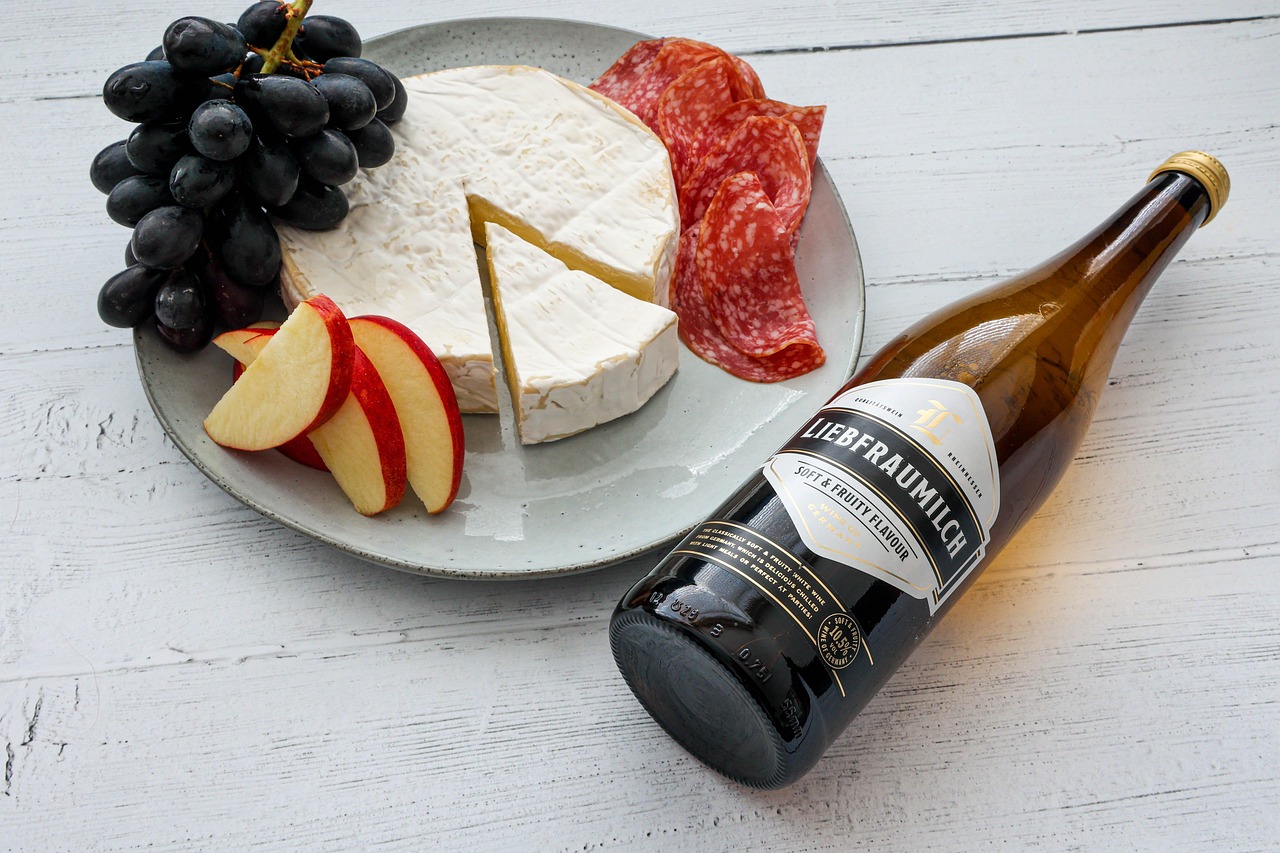
- Fruits: Fresh berries, apples, or figs accentuate Brie’s creamy sweetness. Dried fruits like apricots or dates offer a chewy contrast.
- Nuts: Almonds, walnuts, or pecans add crunch and depth.
- Bread and Crackers: A fresh baguette or whole-grain cracker is perfect for scooping up that soft, gooey texture.
- Wine: Brie loves light, fruity wines. A Chardonnay, Champagne, or Pinot Noir enhances its creaminess, while a crisp Sauvignon Blanc balances the richness.
For a sweet twist, try serving it with honey, jam, or a drizzle of balsamic glaze—each brings out a different layer of its flavor profile.
Culinary Uses
Beyond the cheese board, Brie shines in the kitchen. One of the most beloved preparations is baked Brie, where the cheese is wrapped in puff pastry or phyllo dough, often with a filling of nuts, fruit, or jam, and baked until warm and molten inside. It also melts beautifully in sandwiches, on pizzas, or as a topping for roasted vegetables.
If you’re feeling adventurous, try adding slices of it to a burger or incorporating it into mashed potatoes for an indulgent twist. The possibilities are endless.
Learn also more about the culinary uses of Parmigiano Cheese.
How to Store and Serve it
It is best enjoyed at room temperature, when its texture becomes supple and spreadable. Take it out of the refrigerator about 30 to 45 minutes before serving. To store, keep it in its original wrapping or in wax paper inside an airtight container. Avoid plastic wrap directly on the cheese—it can trap moisture and alter the flavor.
A Slice of French Luxury
Brie cheese embodies the artistry, patience, and passion that define French gastronomy. Its creamy texture and gentle flavor make it a crowd-pleaser, while its history and craftsmanship give it an air of timeless elegance. Whether you’re hosting a dinner party or simply indulging in a quiet evening snack, a wedge of this cheese brings a touch of luxury to any moment.