
🧀 The Ultimate Guide to Brie Cheese: Taste, Recipes, Pairings & Health Benefits
If you’ve ever wandered through a cheese aisle and spotted a soft, creamy wheel labeled Brie, you’re not alone in wondering what makes it so popular. Known as the “Queen of Cheeses,” Brie is one of the most beloved soft cheeses in the world.
In this guide, you’ll learn what Brie cheese tastes like, how to eat it, the best recipes, and whether it’s healthy—all optimized to help you make the most of this delicious dairy classic.
🧀 What Is Brie Cheese?
Brie cheese is a soft French cheese made from cow’s milk, characterized by its pale interior and edible white rind. It originated in France and is now enjoyed worldwide in everything from appetizers to gourmet meals.
Its texture is:
- Soft and creamy inside
- Slightly firm rind on the outside
😋 What Does Brie Cheese Taste Like?
One of the most searched questions is: “What does Brie cheese taste like?”
Brie has a mild, buttery, and slightly nutty flavor. As it ripens, it becomes:
- Creamier
- Stronger in aroma
- Slightly earthy
The rind adds a subtle mushroom-like taste, which enhances the overall experience.
🍽️ How to Eat Brie Cheese
Another popular query is: “How to eat Brie cheese?”
The good news—Brie is incredibly versatile.
✔️ Simple Ways to Enjoy Brie:
- Serve it at room temperature with crackers or bread
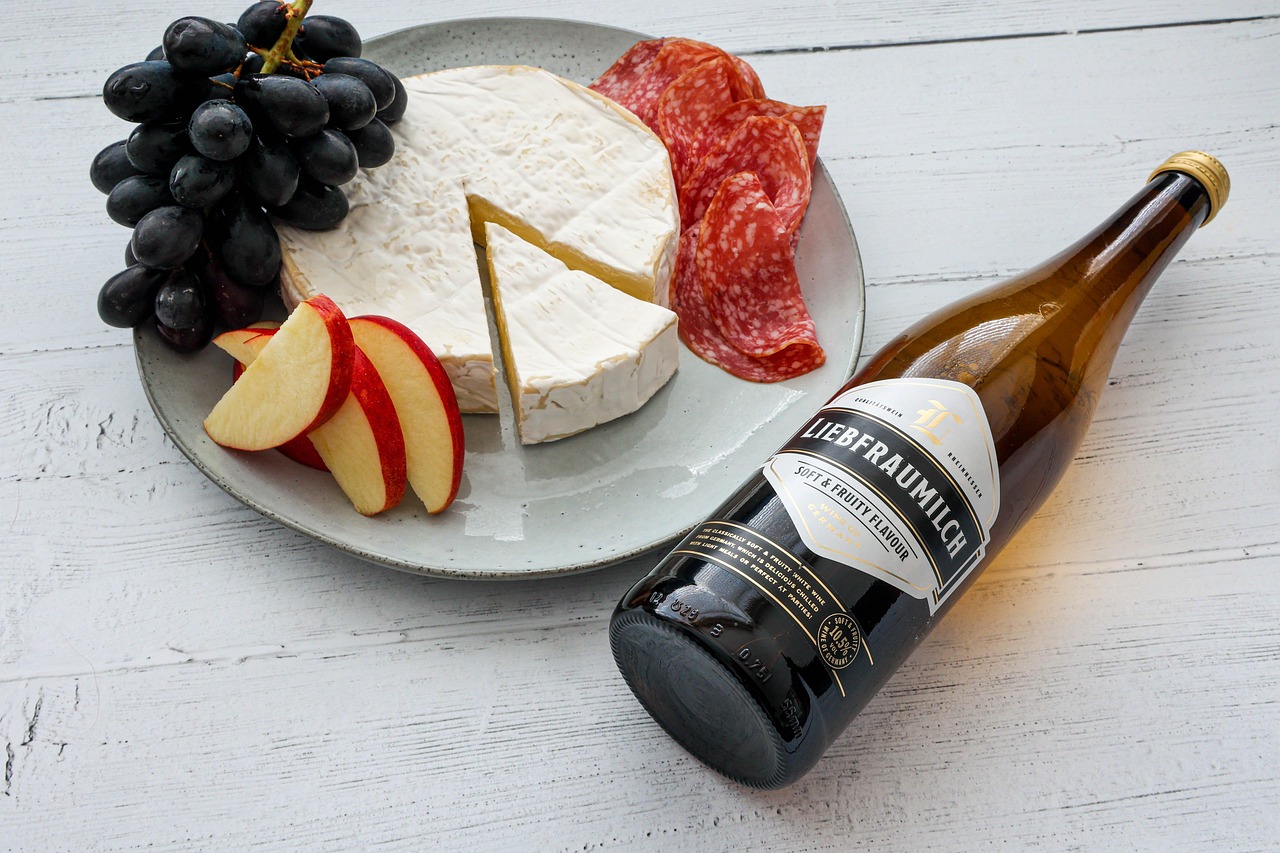
- Pair with fresh fruits like apples, grapes, or pears
- Add to sandwiches or burgers
- Melt it over vegetables or pasta
👉 Tip: Yes, you can eat the rind—it’s completely edible and adds flavor.
🔥 How to Bake Brie Cheese (Easy Recipe)
“Baked Brie” is one of the most popular Brie recipes—and for good reason.
🧑🍳 Ingredients:
- 1 wheel of Brie cheese
- Honey or jam (fig or cranberry works great)
- Nuts (optional)
- Puff pastry (optional)
🥐 Instructions:
- Preheat oven to 180°C (350°F)
- Place Brie in a baking dish or wrap in puff pastry
- Top with honey, jam, or nuts
- Bake for 10–15 minutes until soft
- Serve warm with bread or crackers
This dish is a perfect holiday appetizer and ranks well for keywords like “baked brie with honey” and “brie appetizer recipes.”
🧀 Brie Cheese Pairing Ideas
If you’re building a cheese board, pairing matters.
🍷 Best Pairings:
- Wine: Chardonnay, Champagne, Pinot Noir
- Fruits: Apples, figs, grapes
- Nuts: Walnuts, almonds
- Extras: Honey, jams, crusty bread
These combinations enhance Brie’s creamy texture and delicate flavor.
⚖️ Is Brie Cheese Healthy?
A common question: “Is Brie cheese healthy?”
👍 Benefits:
- Rich in protein
- High in calcium
- Contains healthy fats
⚠️ Considerations:
- Calorie-dense
- Contains saturated fat
- May not suit lactose-sensitive individuals
👉 Moderation is key. Brie can absolutely be part of a balanced diet.
🆚 Brie vs Camembert: What’s the Difference?
Many people compare Brie to Camembert.
Main Differences:
- Brie: Milder, creamier, larger wheels
- Camembert: Stronger flavor, more intense aroma
Both are excellent—but Brie is often preferred for beginners due to its mild taste.
🛒 Best Brie Cheese Buying Tips
When searching for “best Brie cheese to buy”, keep these tips in mind:
- Look for a slightly soft center
- Avoid overly ammonia-like smells
- Choose French Brie for authentic flavor
- Try organic or artisanal brands
⏳ How Long Does Brie Cheese Last?
- Unopened: 1–2 weeks in the fridge
- Opened: Consume within a few days
- Always store in cheese paper or wax paper
For comparison, harder cheeses like Swiss Cheese and Parmigiano Cheese tend to last longer due to their lower moisture content.
🧀 How Brie Cheese Is Made
Understanding how Brie cheese is made adds a new appreciation for its rich flavor and texture. Brie starts with high-quality cow’s milk, which is gently heated and combined with rennet to form curds. These curds are then placed into molds and drained over time to achieve the soft interior Brie is known for.
After molding, the cheese is aged for several weeks. During this process, a special mold is introduced to create the signature white bloomy rind. This rind not only protects the cheese but also plays a key role in developing Brie’s earthy, slightly mushroom-like flavor.
❄️ How to Store Brie Cheese Properly
Proper storage is essential if you want to keep Brie fresh and flavorful. To maximize shelf life, wrap Brie in wax paper or parchment paper, then loosely cover it with plastic wrap. This allows the cheese to breathe while preventing it from drying out.
Avoid storing Brie in airtight containers for long periods, as this can trap moisture and alter its taste. Keep it in the vegetable drawer of your refrigerator, where the temperature is more stable. If you notice a strong ammonia smell, it may be overripe and past its best quality.
🌱 Vegan and Dairy-Free Brie Alternatives
With the rise in plant-based diets, vegan Brie cheese has become increasingly popular. These alternatives are typically made from ingredients like cashews, coconut oil, or almonds, and are designed to mimic the creamy texture and mild flavor of traditional Brie.
While dairy-free Brie may not perfectly replicate the original, many brands offer impressive options that melt well and pair beautifully with fruits and crackers. This makes them ideal for those who are lactose intolerant or following a vegan lifestyle.
🎉 When to Serve Brie Cheese
Brie is a versatile cheese that shines during special occasions and everyday meals alike. It’s especially popular during holidays like Christmas and New Year’s, where dishes like baked Brie with cranberry sauce often take center stage.
You can also serve Brie at:
- Dinner parties as part of a cheese board
- Romantic date nights paired with wine
- Casual gatherings as a quick appetizer
Its elegant appearance and crowd-pleasing flavor make it a go-to choice for entertaining.
🧠 Final Thoughts
Brie cheese is more than just a fancy addition to a cheese board—it’s a versatile, delicious ingredient that works in appetizers, meals, and even desserts.
Whether you’re:
- Learning how to eat Brie
- Trying baked Brie recipes
- Exploring cheese pairings
…this creamy classic is worth adding to your kitchen.