
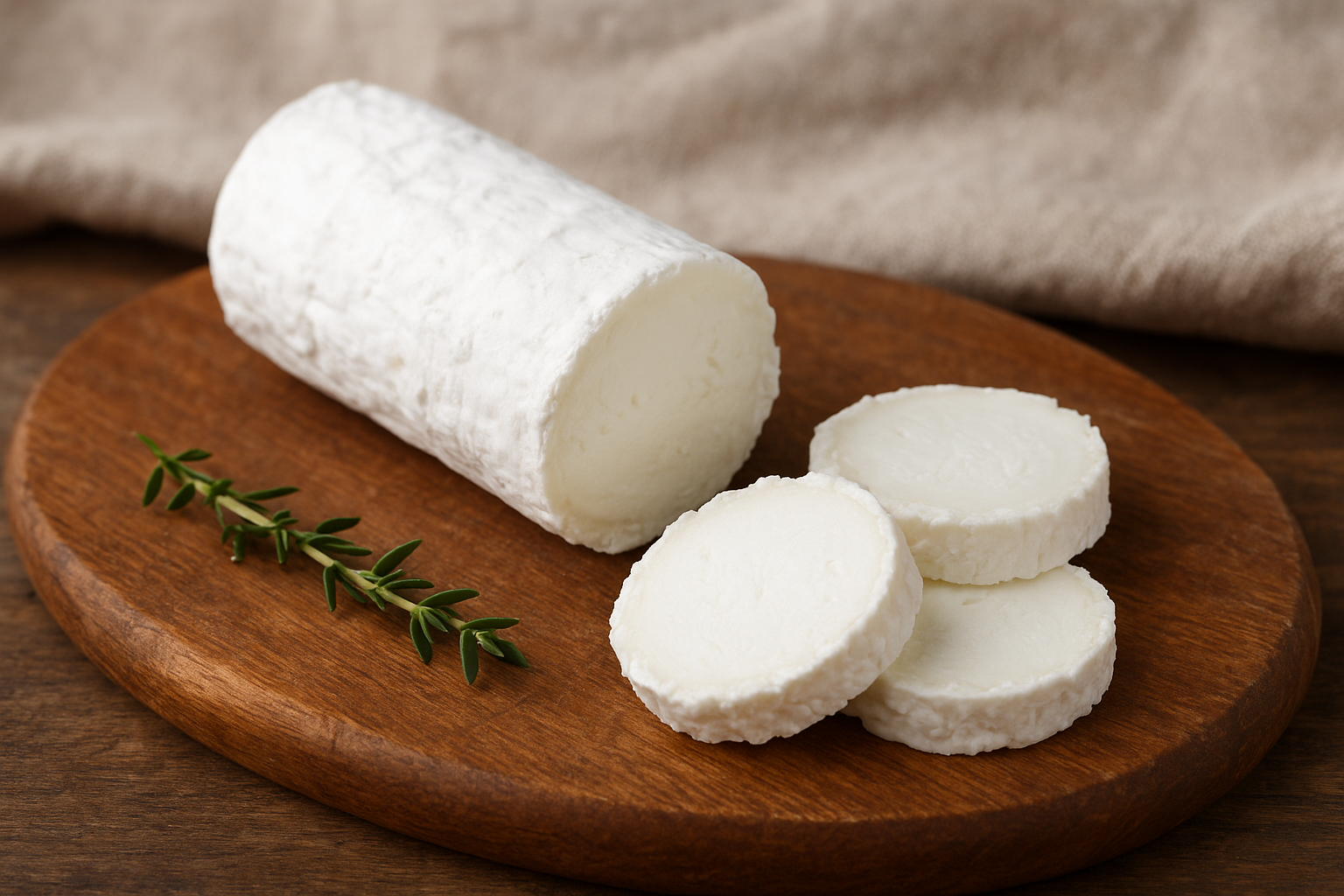
The Allure of Goat Cheese: A Tangy Treasure for Every Table
Few foods manage to balance rustic charm and gourmet sophistication quite like goat cheese. Known for its creamy texture, tangy flavor, and remarkable versatility, goat cheese has carved a place on restaurant menus and home kitchen tables around the world. Whether crumbled over salads, spread on fresh bread, or baked into elegant tarts, this ancient cheese continues to captivate food lovers with its distinctive taste and nutritional benefits.
A Brief History of Goat Cheese
Goat cheese — or “chèvre,” as it’s often called in French — is one of the oldest known dairy products, dating back thousands of years. Before cows were widely domesticated, goats provided early civilizations with milk that was easier to digest and more adaptable to different climates. Simple cheesemaking techniques using goat milk were practiced throughout the Mediterranean, the Middle East, and parts of Africa long before refrigeration or industrial production existed.
In France, cheesemakers turned this humble product into an art form, creating dozens of regional specialties that reflect local soil, flora, and climate. From the ash-coated Valençay to the delicate Crottin de Chavignol, these handcrafted varieties became symbols of rural craftsmanship and culinary pride. Today, artisans across Europe, North America, and beyond continue to draw inspiration from that same heritage.
Check out also our blog for Gouda Cheese.
Why Goat Cheese Stands Apart
One of the defining traits of goat cheese is its flavor profile. Fresh goat cheese typically has a tangy, slightly citrusy taste with a creamy yet crumbly texture. As it ages, the flavors deepen, developing earthy, nutty, and even floral notes. This complexity makes goat cheese suitable for both simple snacks and sophisticated dishes.
Nutritionally, it stands apart from many cow’s milk cheeses. It contains less lactose, making it easier to digest for those with mild sensitivities. Its smaller fat molecules are more readily absorbed, creating a lighter mouthfeel and smoother finish. It’s also rich in calcium, protein, and beneficial fatty acids, offering a wholesome addition to a balanced diet.
Culinary Versatility: From Breakfast to Dinner
The versatility of this cheese makes it a star ingredient in every meal. At breakfast, spread a soft, fresh variety on toast with honey, figs, or berries. For lunch, crumble it over arugula, roasted beets, and walnuts for a salad that balances sweet, savory, and tangy notes. Come dinnertime, it shines in tarts, pizzas, and creamy pasta sauces.
Warm chèvre also excels in appetizers — baked with herbs and olive oil, wrapped in puff pastry, or layered on crostini with caramelized onions. Even desserts can benefit from its subtle acidity: whipped into a mousse or folded into a cheesecake, it provides a refreshing twist on traditional cream cheese versions.
Goat Cheese and Pregnancy: What to Know
For expectant mothers, cheese choices often come with questions — and goat cheese is no exception. The main consideration during pregnancy is food safety. Soft, unpasteurized cheeses can carry a small risk of Listeria monocytogenes, a bacterium that may cause infection. Fortunately, most cheeses sold in stores today are made from pasteurized milk, which eliminates that concern.
Pasteurized versions are perfectly safe to enjoy when properly stored and handled. Expectant mothers can savor the creamy goodness of this cheese in salads, on sandwiches, or as a spread — as long as it’s made with pasteurized milk and kept refrigerated. In fact, its high protein and calcium content make it a nutritious addition to a prenatal diet. Always check the label, and when dining out, don’t hesitate to ask whether the cheese is pasteurized.
The Sweet Side: Blueberry Goat Cheese
Among the many flavored varieties available, blueberry goat cheese stands out as a delightful fusion of tart and sweet. Typically, this version features a log of creamy white cheese rolled in or infused with blueberries, creating a striking marbled appearance and a beautiful balance of flavors. The tanginess of the cheese pairs perfectly with the fruity sweetness of the berries, resulting in a treat that’s as visually appealing as it is delicious.
Blueberry chèvre is incredibly versatile. It can elevate a simple cheese board, brighten a brunch spread, or serve as a luscious topping for pancakes and waffles. Try it crumbled into summer salads with spinach, toasted almonds, and balsamic glaze, or spread it on crackers with a drizzle of honey for a sophisticated appetizer. It’s also a wonderful gateway for those new to chèvre — approachable, mildly sweet, and irresistibly creamy.
How to Store and Serve It
Proper storage ensures the best flavor and texture. Fresh types should be kept refrigerated and enjoyed within a week of opening, while aged wheels or logs last longer if wrapped in wax paper and stored in an airtight container. Before serving, let the cheese rest at room temperature for about 15–20 minutes — that’s when the aroma blooms and the texture softens to perfection.
When it comes to pairings, this dairy delicacy loves bright, crisp wines such as Sauvignon Blanc or dry rosé. Its acidity also harmonizes beautifully with sparkling wines. For beer enthusiasts, try a citrusy wheat beer or a mild Belgian ale for an equally satisfying match.
Find out also more about Oaxaca Cheese.
The Final Word
Goat cheese embodies the best of both worlds — rustic simplicity and gourmet flair. Its distinctive flavor, digestibility, and versatility make it a timeless favorite among chefs and home cooks alike. Whether you’re spreading it on a cracker, whisking it into a sauce, or savoring it alongside a glass of wine, goat cheese is more than just a dairy product — it’s an experience that connects us to centuries of culinary tradition and the simple joy of good food.